Benefits of Experiential and Project-Based Learning (PBL) for Student Engagement
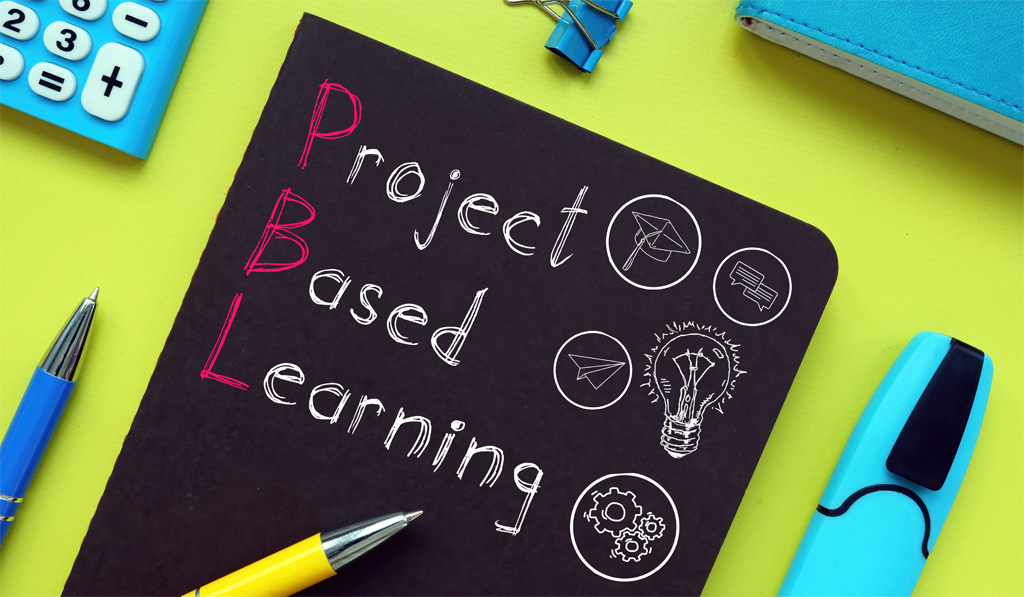
Why PBL?
When you provide students with authentic, real-world challenges that promote students’ voice and choice, reflection, and the ability to reiterate their designs, you open a world of possibilities. At Teq and as educators, we’ve seen firsthand how project-based learning (PBL) benefits student engagement. By putting students in the driver’s seat, they demonstrate greater levels of excitement in their learning, which in turn leads to better retention, improved problem-solving skills, and enhanced communication. Through sustained inquiry, students will ignite their natural curiosity and continue to pay closer attention to detail, ask more relevant questions, and take the next step to being active learners.How Do You Measure Success?
As explored in research by Brosens et al. (2022), shifting toward student-centered, project-based models—particularly in design education—provides a pathway for future-proofing because it fosters high-order skills that AI cannot easily replicate, such as organic creativity, complex problem-solving, and adaptability. These methods move beyond multiple-choice tests: rubrics, peer feedback, and self-reflection are all valid methods for measuring student growth. The journey is just as important as the outcome.
The iBlocks Solution
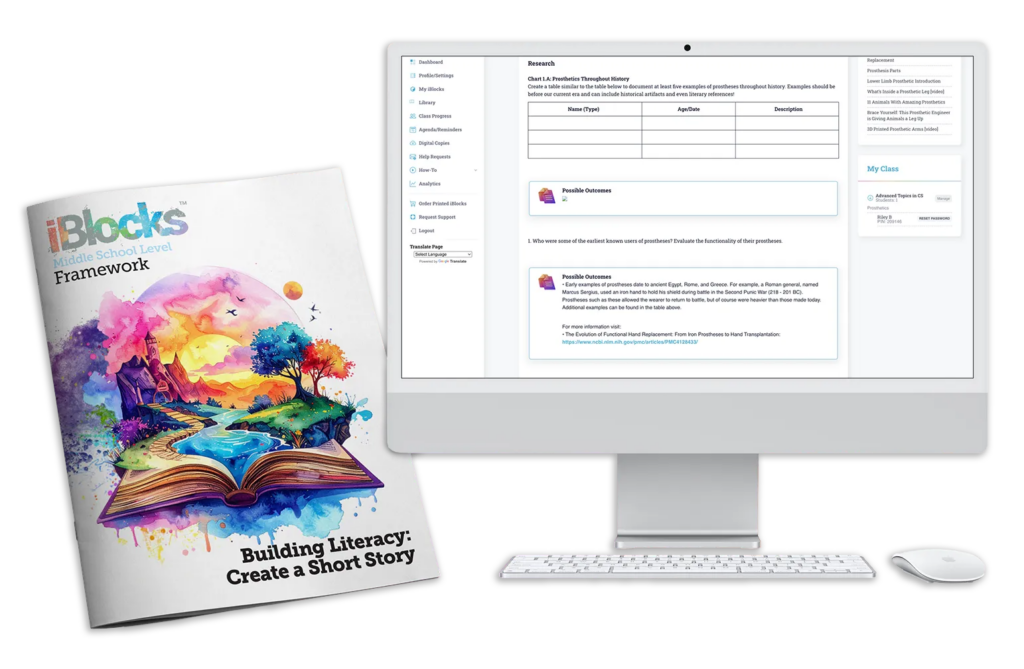
iBlocks couple project-based learning with experiential and design practices that require out-of-the-box thinking. This is a learning experience that provides educator support, a designated workflow, and a carefully planned organization. Researchers at LEARN Platform also independently concluded through an ESSA Evidence Level IV report that iBlocks provide a variety of short- and long-term benefits, including, but not limited to:- Improved collaboration, communication, and critical thinking skills
- Enhanced self-efficacy, achievement, and performance
- Developing social and emotional learning skills
- Improved advanced literacy and 21st-century skills
- Greater engagement and motivation in STEM concepts
- Opportunities for students to learn about engineering design processes, STEM careers, and industries that are not typically reflected in core curricula
- Better preparation for making career path decisions
References:
- Brosens, L., Raes, A., Octavia, J. R., & Emmanouil, M. (2022). How future proof is design education? A systematic review. International Journal of Technology and Design Education, 33, 663–683. https://doi.org/10.1007/s10798-022-09743-4
For more tips, tricks, and tools for teaching in and out of the classroom, check out more content on the Teq Talk blog or our YouTube channels OTIS for educators and Tequipment. We also offer virtual professional development, training, and support with OTIS for educators. Explore the technology and strategies that spark student success — no matter where teaching or learning are happening! Follow us on social:
 edteq
edteq  OTIS4educators | Teq Products | iBlocks
  MyTeq
MyTeq  Teq
Teq