Scaling the Magic: How to Implement Project-Based Learning at the District Level

Phase 1: Build the “Why” Before the “How”
You can’t just send out a memo from the central office saying, “We’re doing PBL now,” and expect it to stick. If teachers view this as another passing trend, they will smile, nod, and quietly return to their traditional methods.Create a Shared Vision:
Start by asking your most important stakeholders, including teachers, parents, and local business leaders, what a high school graduate truly needs. The answers rarely involve bubbling in a test sheet; instead, they focus on skills such as:- solving real-world problems
- collaborating well as a team
- thinking critically and creatively

Phase 2: From Gatekeepers to Enablers
District leadership must shift from a compliance mindset to a support mindset. This is where the real impact begins.Pacing Guides with Breathing Room:
If your pacing guides and curriculum deadlines are too rigid, teachers will prioritize coverage over spending three weeks on a meaningful project. To make PBL sustainable, give teachers the flexibility and permission to fully commit to deep project work.Shift What You Celebrate:
We value what we measure! If standardized test scores remain the only benchmark for success, instruction will be driven by the exam. However, by celebrating student exhibitions, community presentations, and portfolios, we redefine what success looks like. If the goal is to cultivate well-rounded individuals rather than efficient test-takers, we must expand our definition of achievement.Phase 3: Structured Support – The iBlocks Model
One of the biggest barriers to districtwide PBL is prep time. Asking hundreds of teachers to design their own 4‑week, standards-aligned, authentic projects from scratch is a recipe for burnout. This is where a structured solution like Teq’s iBlocks becomes a game changer. By providing ready-to-use PBL units, districts can:Ensure Equity:
Every student receives access to high-quality PBL, regardless of which school they attend or which teacher they’re assigned.Lower the Barrier to Entry:
Teachers who are nervous about PBL receive a clear, step-by-step roadmap. It’s like giving them training wheels while they build their confidence.Standardize Quality:
The projects are aligned, rigorous, and instructionally sound, which streamlines administrative buy‑in and systemic support.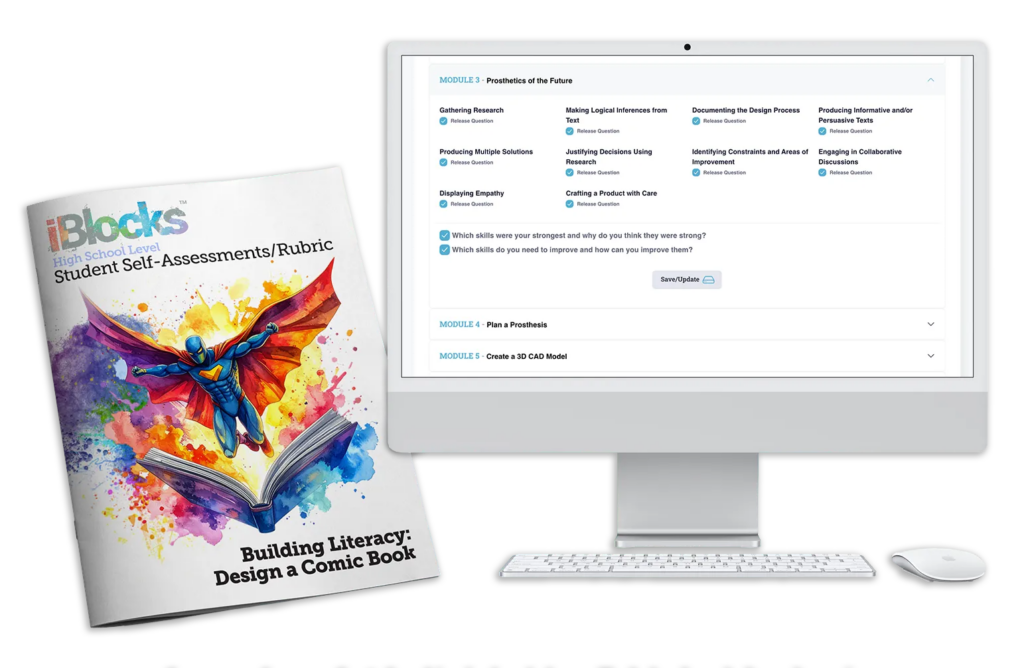
Phase 4: Focus on the “Messy Middle”
In my experience, district‑wide PBL initiatives often falter when leaders expect immediate perfection. I’ve seen it happen on many occasions throughout my career. There will be a messy middle where some projects will fall short, while others will brilliantly succeed. District leaders should act as “guides on the side” while supporting principals and teachers through these inevitable difficulties. If a project doesn’t go as planned, don’t panic. Instead, ask the students what they’ve learned from the experience of failure. Think of it as an opportunity to “fail forward.” It’s important to celebrate the risks, not just the polished outcomes.Wrapping Up: The Long Game
Implementing project-based learning across a district is a marathon, not a sprint. It requires shifting away from a system that prizes covering content to one that focuses on uncovering student potential. The process won’t always be quiet, and it certainly won’t be neat. However, it’s exactly the kind of learning that prepares kids for a world without an answer key.For more tips, tricks, and tools for teaching in and out of the classroom, check out more content on the Teq Talk blog or our YouTube channels OTIS for educators and Tequipment. We also offer virtual professional development, training, and support with OTIS for educators. Explore the technology and strategies that spark student success — no matter where teaching or learning are happening! Follow us on social:
 edteq
edteq  OTIS4educators | Teq Products | iBlocks
  MyTeq
MyTeq  Teq
Teq