Making Learning Click: A Look at Project-Based Learning in the Elementary Classroom
What Exactly Is PBL? (It’s Not Just a “Poster Project”)
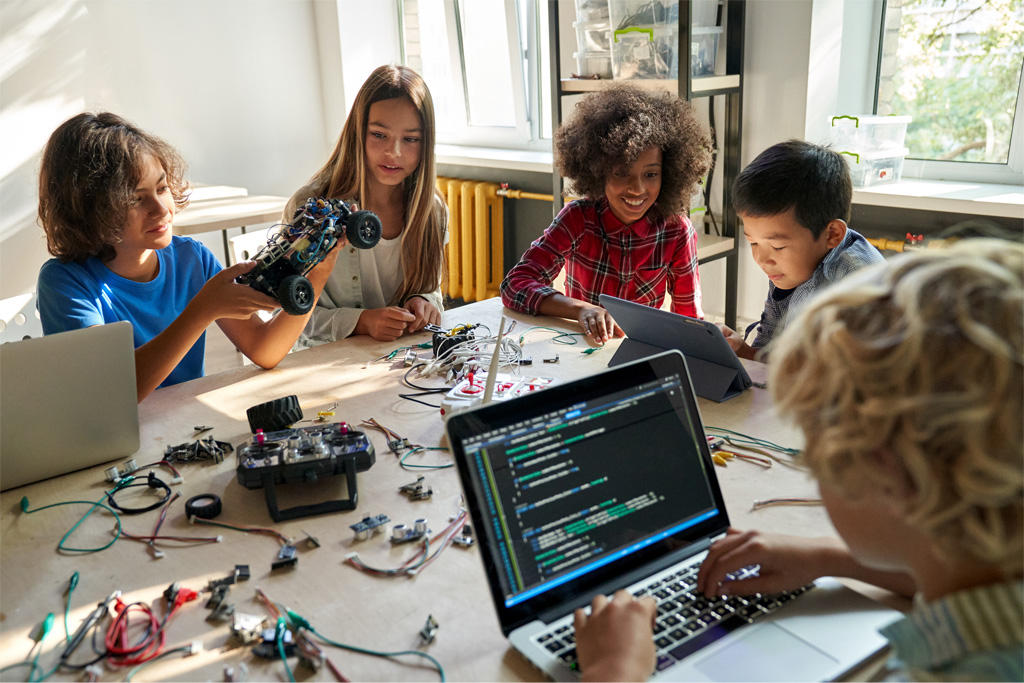
It’s common to confuse traditional projects with project‑based learning, but the difference is more significant than most people realize.- The Traditional Project: You teach a unit on photosynthesis, and at the very end, students make a poster of a leaf. The project is the focus.
- Project-Based Learning: You start with a real-world meaningful question such as “How can we design a garden that feeds local butterflies?” Students gain science, math, and literacy skills as they work to answer questions. The learning process is the focus, and the project is the final step.
The Core Pillars of Project-Based Learning in the Elementary Classroom
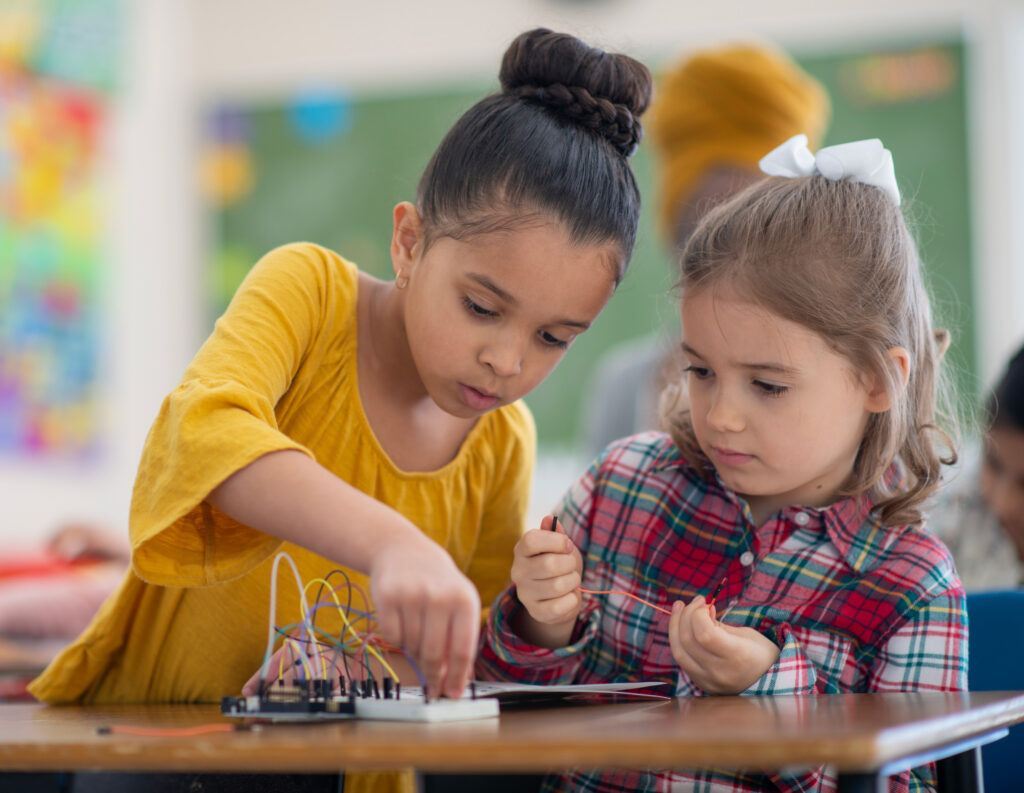
For a project to be true PBL, it needs a few specific features, including:- A Driving Question: This is the hook. It needs to be open-ended and challenging.
- Sustained Inquiry: This isn’t a one-period activity. It’s a process of several weeks where kids research, plan, and test ideas.
- Authenticity: The work must be meaningful. Writing a letter to the principal about a real school issue feels a lot more important than writing a practice essay for a letter/number grade.
- Student Voice and Choice: When students are allowed to decide how they solve a problem, they take ownership. One group might make a video while another might build a physical model.
- Public Product: This is the magic moment. Instead of handing a paper to the teacher, students present their findings to an audience.
Why Does It Work for Younger Kids?
The natural curiosity of young students makes it the perfect time to implement project-based learning in the elementary classroom. They want to tinker, experiment, break objects apart, and put them back together. It changes the narrative from “When am I ever going to use this?” to “I need to learn how to measure my prototype because my birdhouse won’t 3D print properly if my math fails.”- Social-Emotional Growth: Students learn how to work collaboratively and solve conflicts, how to delegate tasks, and how to bounce back when their first idea fails.
- Differentiated Learning: Because projects are often complex, there is room for every type of learner. The student who struggles with writing might lead the design phase, while the strong reader handles the research.
- Memory Retention: We remember what we do. A student might forget a worksheet on the water cycle, but they’ll never forget the time they built a filtration system to clean polluted water.
iBlocks – A PBL Solution
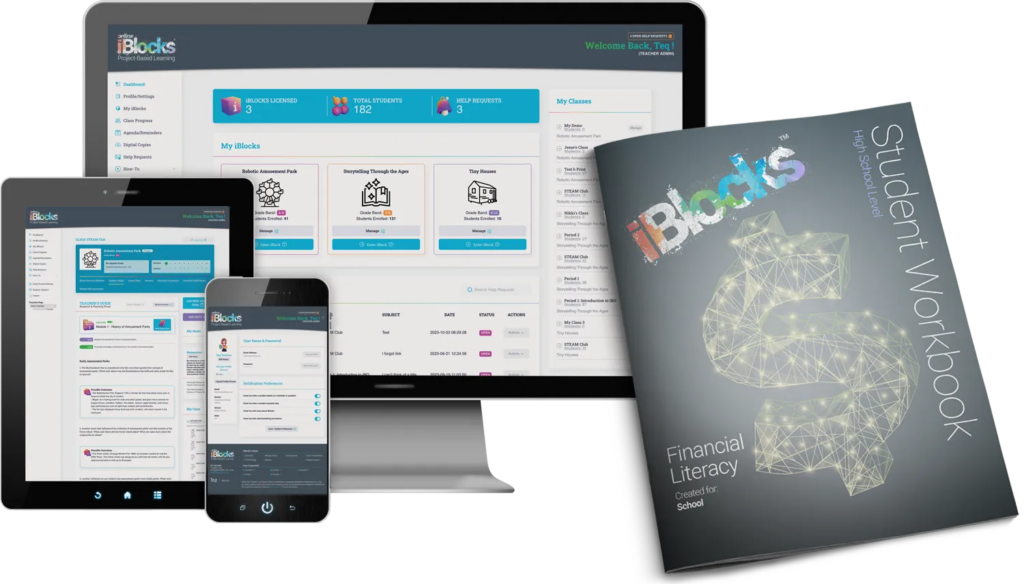
iBlocks are a fantastic solution for elementary schools because they take the guesswork out of project-based learning. They provide structured, out-of-the-box units to make learning meaningful and fun. Each iBlock includes ten standards-aligned modules that guide students through hands-on, real-world challenges, such as building a Rube Goldberg Machineor designing a Tiny House. These solutions save teachers hours of prep time while ensuring the lessons are educationally sound. Since these units focus on student-led discovery, they naturally build essential life skills like critical thinking, collaboration, and creativity in a way that feels like play. Kids become so immersed in solving the problem that they develop critical thinking and collaboration skills without even realizing it. Because the work feels like play, concepts stick in a way that traditional worksheets simply can’t match. Project-based learning isn’t about ignoring the standards; it’s about uncovering them through active inquiry and diving into the curriculum. There might be some hurdles along the way, but they are essential to the learning process. The first time my class tried this, it was a bit of a disaster. We ran out of tape, two groups couldn’t agree on a design, and I wasn’t sure we’d finish. However, that’s actually when the best learning happened. By tackling real-world problems, students gain 21st-century skills to prepare them for future careers. Learn, grow, and succeed through iBlocks project-based learning solutions!For more tips, tricks, and tools for teaching in and out of the classroom, check out more content on the Teq Talk blog or our YouTube channels OTIS for educators and Tequipment. We also offer virtual professional development, training, and support with OTIS for educators. Explore the technology and strategies that spark student success — no matter where teaching or learning are happening! Follow us on social:
 edteq
edteq  OTIS4educators | Teq Products | iBlocks
  MyTeq
MyTeq  Teq
Teq