Art & Design iBlock Topics

Building Literacy: Design a Comic Book
iBlocks Project Based Learning Objective:

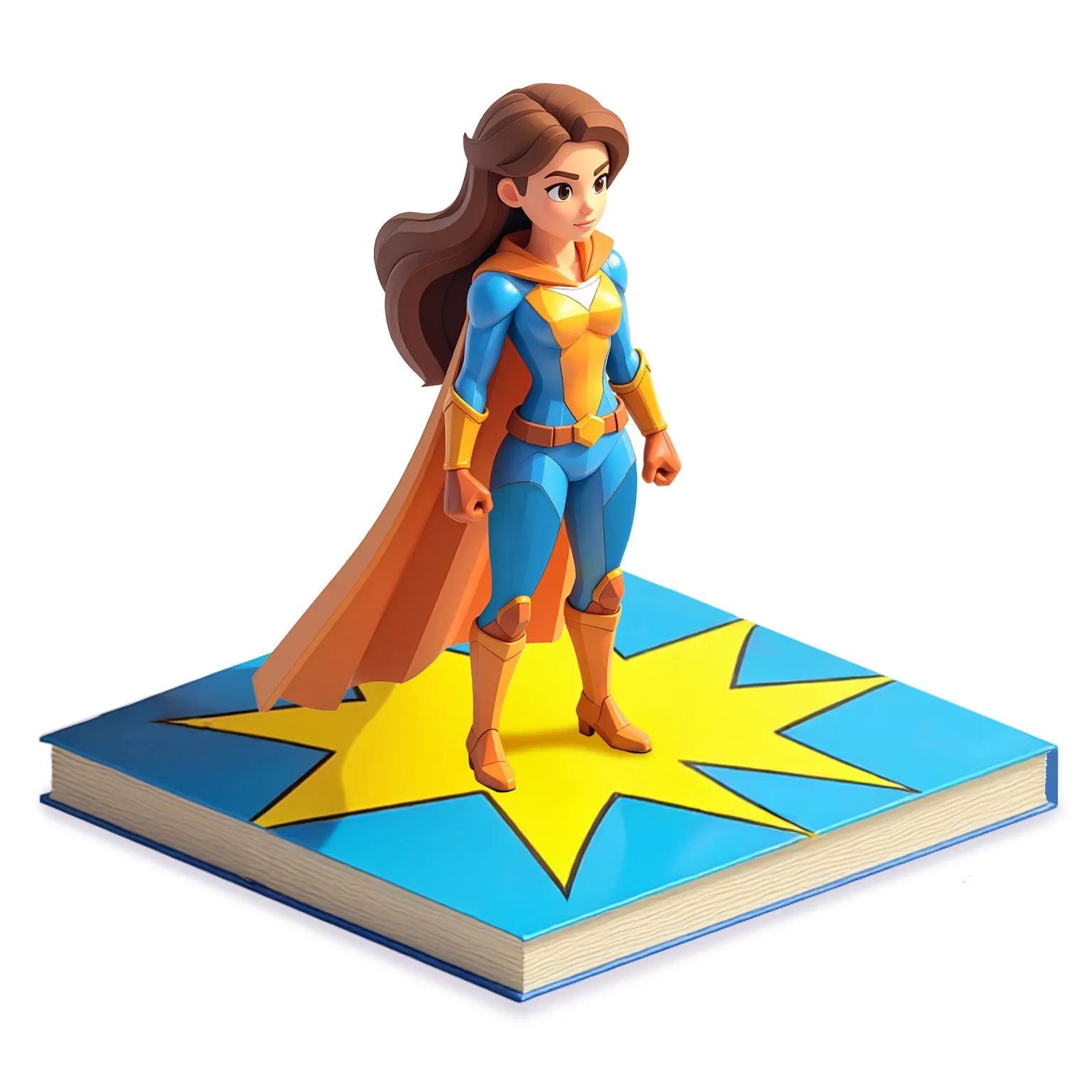
From images, to text, to color palette, there is a lot to consider when designing a comic book. How are comics similar to a short story? How are they different? In this Building Literacy: Design a Comic Book PBL (Project-Based Learning) iBlock, students will investigate the history of comics and various comic texts before creating their own masterpiece. With attention to how established comic artists perfect their craft, these modules will help unleash creativity and provide a new means of expression. Finally, students will bring all of their hard work together as they create their very own comic convention.
  • Grade Bands: 6-8, 9-12
  • Primary Focus: ELA, Art
  • Secondary Focus: Communication, Visual Design
  • Additional Foci: Advanced Literacy, Transferable Skills, Social-Emotional Learning
  • Suggested Product Category: 3D Modeling (incl. 3D printers, laser & craft cutters), Mobile App Development
  • Teq Product Alignment: Cricut
  • Academic Alignment: ELA, Art & Design, Literacy
  • CTE Alignment: Arts, Entertainment, and Design
Here is a sample content standard for this iBlock:
Use narrative techniques, such as dialogue and description, to develop experiences, events, and/or characters.(NYS Next Gen. ELA: 7W3b)

Building Literacy: Develop a Play

iBlocks Project Based Learning Objective:

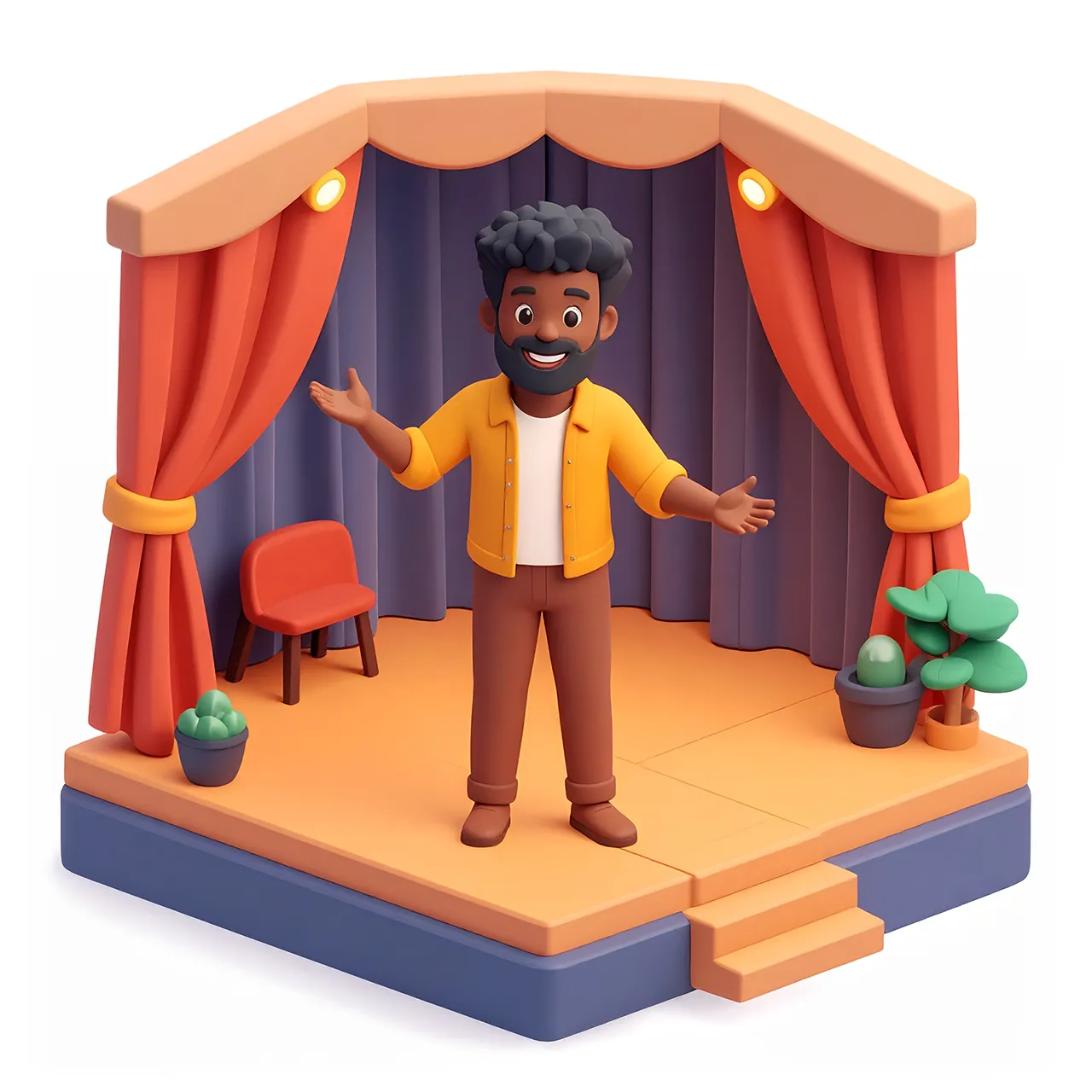
How does a story change when it’s developed into a play? In this Building Literacy: Develop a Play PBL (Project-Based Learning) iBlock, that’s exactly what students will explore as they become playwrights. Before writing their play, students will take a closer look at the history of theatre and play structure, then they will write and perform an original one-act play. Considerations will be made to set design, costuming, sound, lighting, casting, and blocking. Students can even consider how they could convert their play into a movie. It’s time to “break a leg!”
  • Grade Band: 9-12
  • Primary Focus: ELA, Performing Arts
  • Secondary Focus: Communication
  • Additional Foci: Advanced Literacy, Transferable Skills, Social-Emotional Learning
  • Suggested Product Category: 3D Modeling (incl. 3D printers, laser & craft cutters), AR/VR
  • Teq Product Alignment: ClassVR, Cricut, Formlabs, Makerbot, Shaper, Ultimaker, xTool
  • Academic Alignment: ELA, Art & Design, Literacy
  • CTE Alignment: Arts, Entertainment, and Design
Here is a sample content standard for this iBlock:
Develop and synthesize original ideas in a drama/theatre work utilizing critical analysis, historical and cultural context, research, and western or nonwestern theatre traditions. (National Core Arts Standards: HS AdvancedTH.Cr2-III.a)

Create a Video Game

iBlocks Project Based Learning Objective:

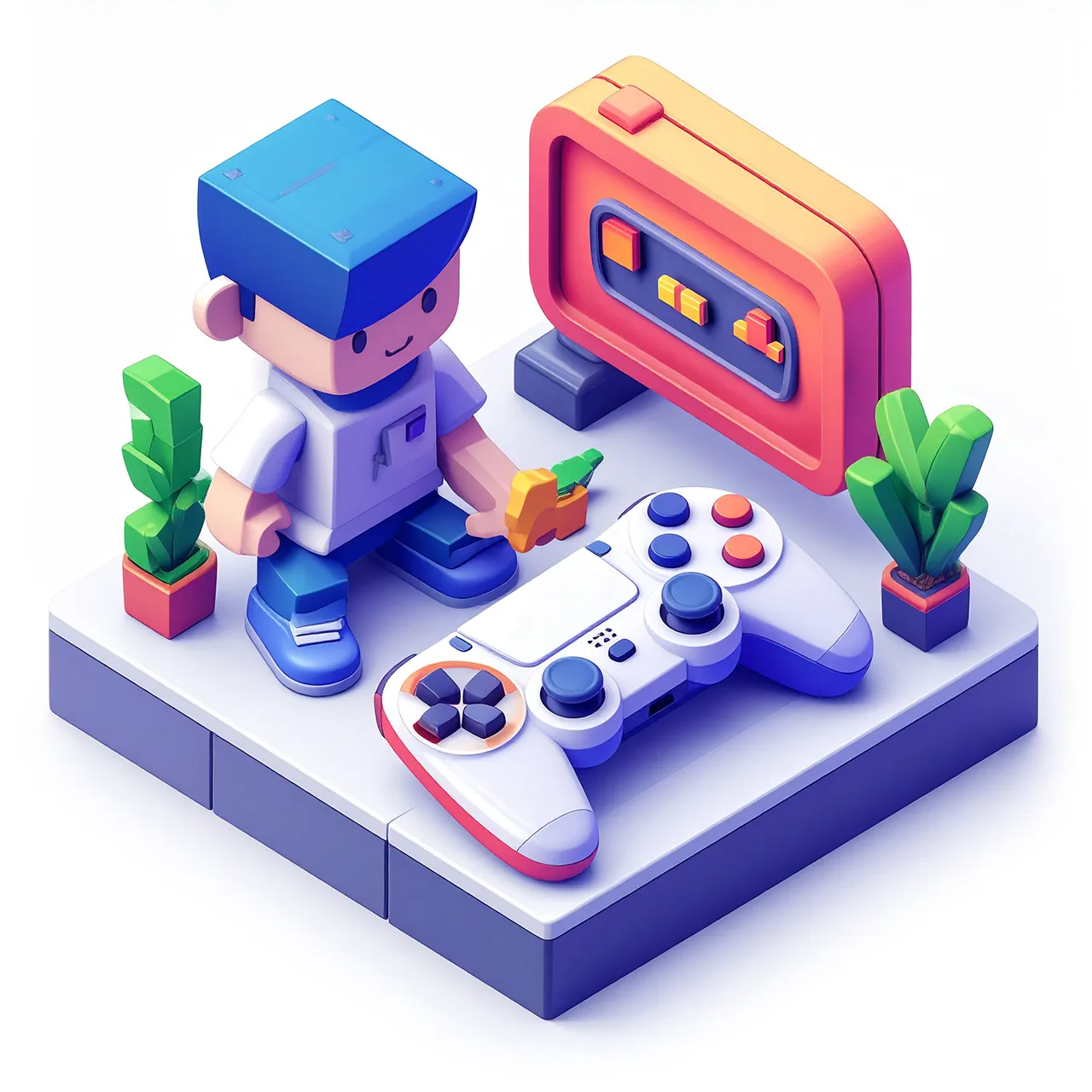
Within the last 40 years, video games have been an essential part of our media entertainment. From arcades to home consoles, and now to our smartphones, video games have found many outlets in which new audiences can be reached. In this Create a Video Game PBL (Project-Based Learning) iBlock, students will create their own compelling video game from start to finish using Bloxels, and then create their own official video game reviews.
  • Grade Band: 6-8, 9-12
  • Primary Focus: Literacy
  • Secondary Focus: Engineering, Design
  • Additional Foci: Advanced Literacy, Transferable Skills, Social-Emotional Learning
  • Suggested Product Category: Video Game Creation/Gamification, Physical Computing
  • Teq Product Alignment: Bloxels (Specific Tech. Required), Makey Makey (Specific Tech. Required for Ext.)
  • Academic Alignment: ELA, Literacy, Engineering, Art & Design, STEM
  • CTE Alignment: Arts, Entertainment, and Design, Digital Technology
An iBlock matches skills to standards (like Common Core or NGSS).
Here is a sample content standard for this iBlock:
Determine the key ideas or conclusions of a source; trace the source’s explanation or depiction of a complex process, phenomenon, or concept; provide an accurate summary of the source. (NYS Next Gen. ELA: 9-10RST2)

Design Your Own Escape Room

iBlocks Project Based Learning Objective:

Escape room games are a fun amusement, but they also provide an opportunity to explore the history of new gaming formats, problem-solving skills, and even storytelling. In this Design Your Own Escape Room PBL iBlock, students will learn more about the history and culture of this “new” form of entertainment, and then plan, design, and construct their very own!
  • Grade Band: 9-12
  • Primary Focus: Design Thinking
  • Secondary Focus: Problem Solving, Engineering
  • Additional Foci: Advanced Literacy, Transferable Skills, Social-Emotional Learning
  • Suggested Product Category: 3D Modeling (incl. 3D printers, laser & craft cutters), Mobile App Development, Video Game Creation/Gamification, Electronics/Circuitry Kits, Physical Computing
  • Teq Product Alignment: 3Doodler, Bloxels, Breakout EDU, ClassVR, Cricut, Formlabs, Makerbot, Makey Makey, Maplewoodshop, Shaper, Ultimaker, xTool
  • Academic Alignment: Coding, ELA, Engineering, STEM, Art & Design
  • CTE Alignment: Arts, Entertainment, and Design, Hospitality, Events, and Tourism, Advanced Manufacturing
Here is a sample content standard for this iBlock:
Evaluate applications of cryptographic methods. (NYS Comp. Sci. & Digital Fluency: 9-12.CY.4)
Evaluate the effectiveness of an image or images to influence ideas, feelings, and behaviors of specific audiences.(National Core Arts Standards: VA.Re.7.2.IIa)
Breakout EDU
Escape Room iBlock now with Breakout EDU
Breakout EDU provides an opportunity for students to play active roles in their classrooms. Watch engagement soar as students become immersed in the game – asking questions, solving problems, and participating in group discussions.

Designing a Board Game

iBlocks Project Based Learning Objective:

Board games are experiencing a tremendous revival, fueled by new styles of gaming. A shift from luck and conflict to strategy and cooperation has brought new players into the genre. In this Designing a Board Game PBL (Project-Based Learning) iBlock, students will plan a game, research game mechanics, design their play area and pieces, and then determine how to play-test their creation. Finally, they’ll examine how to package and publicize their game, and maybe even present a sales pitch to interested buyers.
An iBlock matches skills to standards (like Common Core or NGSS).
Here is a sample content standard for this iBlock:
Demonstrate persistence in developing skills with various materials, methods, and artmaking approaches in creating works of art or design. (National Core Arts Standards: VA.Cr2.1.7a)

Fashion for Function: Smart Wearables

iBlocks Project Based Learning Objective:

Wearable technology has changed quite drastically since the first items hit stores. Some of the most drastic changes and innovations in “smart” wearables have been focused on making them aesthetically pleasing while also serving a purpose, whether that’s fashion, health, or entertainment. In this Fashion for Function: Smart Wearables PBL (Project-Based Learning) iBlock, students will design a unique piece of wearable technology that fulfills a function. Who knows — maybe one day it will climb to the top of gift idea lists!
  • Grade Band: 6-8
  • Primary Focus: Design, Fabrication, Engineering
  • Secondary Focus: ELA, Marketing
  • Additional Foci: Advanced Literacy, Transferable Skills, Social-Emotional Learning
  • Suggested Product Category: 3D Modeling (incl. 3D printers, laser & craft cutters), AR/VR, Electronics/Circuitry Kits, Physical Computing
  • Teq Product Alignment: 3Doodler, Cricut, Maker & Coder, Makerbot, Makey Makey, Strawbees, Ultimaker, xTool
  • Academic Alignment: Engineering, Art & Design, Coding, Science, STEM
  • CTE Alignment: Advanced Manufacturing, Arts, Entertainment, and Design, Healthcare & Human Services
An iBlock matches skills to standards (like Common Core or NGSS).
Here is a sample content standard for this Fashion for Function: Smart Wearables PBL (Project-Based Learning) iBlock:
Evaluate competing design solutions using a systematic process to determine how well they meet the criteria and constraints of the problem. (NGSS: MS-ETS1-2)

Geometric Self-Watering Planter

iBlocks Project Based Learning Objective:

Are you looking for a creative, project-based way to teach your students about computer-aided design? In this iBlock, students will construct a geometric self-watering planter in Tinkercad. This Geometric Self-Watering Planter PBL (Project-Based Learning) iBlocks project will utilize advanced skills in CAD software and challenge students to think mathematically while designing.
  • Grade Band: 6-8
  • Primary Focus: CAD, STEM
  • Secondary Focus: Geometry, Horticulture
  • Additional Foci: Advanced Literacy, Transferable Skills, Social-Emotional Learning
  • Suggested Product Category: 3D Modeling (incl. 3D printers, laser & craft cutters), Hydroponics Units, AR/VR, Data Loggers
  • Teq Product Alignment: 3Doodler, ClassVR, Formlabs, Makerbot, Merge, Shaper, Ultimaker, xTool
  • Academic Alignment: STEM, Mathematics, Science, Engineering, Art & Design, Hydroponics
  • CTE Alignment: Advanced Manufacturing, Agriculture, Arts, Entertainment, and Design
Here is a sample NGSS standard for this iBlock:
Evaluate competing design solutions using a systematic process to determine how well they meet the criteria and constraints of the problem. (NGSS: MS-ETS1-2)

Prosthetics

iBlocks Project Based Learning Objective:

Technology and design have had a major impact on the function of modern-day prosthetics. They’ve also served to make prosthetics more accessible. In this Prosthetics PBL (Project-Based Learning) iBlock, students will navigate through the Engineering Design Process to design and develop a prosthetic device. To complete this task, students will explore 21st century skills such as critical thinking, innovation, and collaboration. Solutions can include computer-aided design (CAD), 3D printing, circuitry, and more.
Here is a sample NGSS standard for this iBlock:
Evaluate a solution to a complex real-world problem based on prioritized criteria and trade-offs that account for a range of constraints, including cost, safety, reliability, and aesthetics as well as possible social, cultural, and environmental impacts. (NGSS: HS-ETS1-3)

Rube Goldberg Machines

iBlocks Project Based Learning Objective:

Rube Goldberg Machines accomplish a simple task through an elaborately humorous and overcomplicated method. In this Rube Goldberg Machines PBL (Project-Based Learning) iBlock, challenge your students to think outside the box and discover the unexpected kinetic properties in everyday objects as they design their own Rube Goldberg Machine (RGM). In order to build their contraption, students will research and explore simple machines and chain reactions and how they both relate to the world around them. From ideation to interaction, students will engage in creative thinking, critical reasoning, and teamwork as they engineer these truly unique machines.

An iBlock matches skills to standards (like Common Core or NGSS).
Here is a sample content standard for this iBlock:
Make observations to provide evidence that energy is conserved as it is transferred and/or converted from one form to another. (NGSS: 4-PS3-2.)

Storytelling Through the Ages

iBlocks Project Based Learning Objective:

Storytelling has been around for centuries — it is a fundamental part of being human and an essential learning tool. Our ancestors would tell stories that were passed down from generation to generation with nothing more than their imaginations. Now, we are still telling the same stories, but in new and innovative ways that both speak to our past and look forward to the future. In this Storytelling Through the Ages PBL (Project-Based Learning) iBlock, students will develop a new story and work through the process of storyline creation, character development, narrative arc, developing props & visuals, and presenting their final product. Finally, students will bring storytelling into the 21st century by coding a robot or program to tell their story!
An iBlock matches skills to standards (like Common Core or NGSS).
Here is a sample content standard for this iBlock:
Engage effectively in a range of collaborative discussions with diverse partners; express ideas clearly and persuasively, and build on those of others. (NYS Next Gen. ELA: 3-5SL1)

The Cotton Candy iBlock

iBlocks Project Based Learning Objective:

Learning opportunities are everywhere, even inside your candy jar! In the Cotton Candy PBL iBlock, students will research the history of sugar, its molecular structure, and even candy making machinery before trying their hand at making their own sweets, including cotton candy! Students will then expand their product lineup by creating or perfecting a treat to showcase at their very own Candy & Sweets Expo. If desired, computer-aided design (CAD) can also be used to make candy molds and/or displays. Graphical software can be used for packaging products as well. This is a great opportunity for students to explore important science, physics, and historical concepts in the Cotton Candy PBL iBlock.
  • Grade Band: 6-8
  • Primary Focus: Science, STEM
  • Secondary Focus: Social Studies
  • Additional Foci: Advanced Literacy, Transferable Skills, Social-Emotional Learning
  • Suggested Product Category: 3D Modeling (incl. 3D printers, laser & craft cutters), Mobile App Development
  • Teq Product Alignment: 3Doodler, ClassVR, Cricut, Formlabs, Makerbot, Ultimaker, xTool
  • Academic Alignment: STEM, Science, Social Studies, Engineering, Art & Design
  • CTE Alignment: Hospitality, Events, and Tourism, Arts, Entertainment, and Design

Here is a sample content standard for this iBlock:
Solids may be formed from molecules, or they may be extended structures with repeating subunits (e.g., crystals). (NGSS: MS-PS1-1)

Tiny Houses

iBlocks Project Based Learning Objective:

With the world population estimated at around 7.7 billion, concerns rise over issues like housing, natural resource use, and environmental impact. Tiny houses have emerged as a movement and potential solution to mitigate our demands on energy consumption and our lifestyle footprint. Throughout this Tiny Houses PBL (Project-Based Learning) iBlock, students will explore energy consumption and efficiency, identify ways in which tiny homes can address efficiency concerns, design and engineer a tiny home solution model, and present their models at their very own home show.
An iBlock matches skills to standards (like Common Core or NGSS).
Here is a sample content standard for this iBlock:
Obtain and combine information from books and other reliable media to explain phenomena. (NGSS: 4-ESS3-1)

Art & Design